Project Introduction
Project Introduction
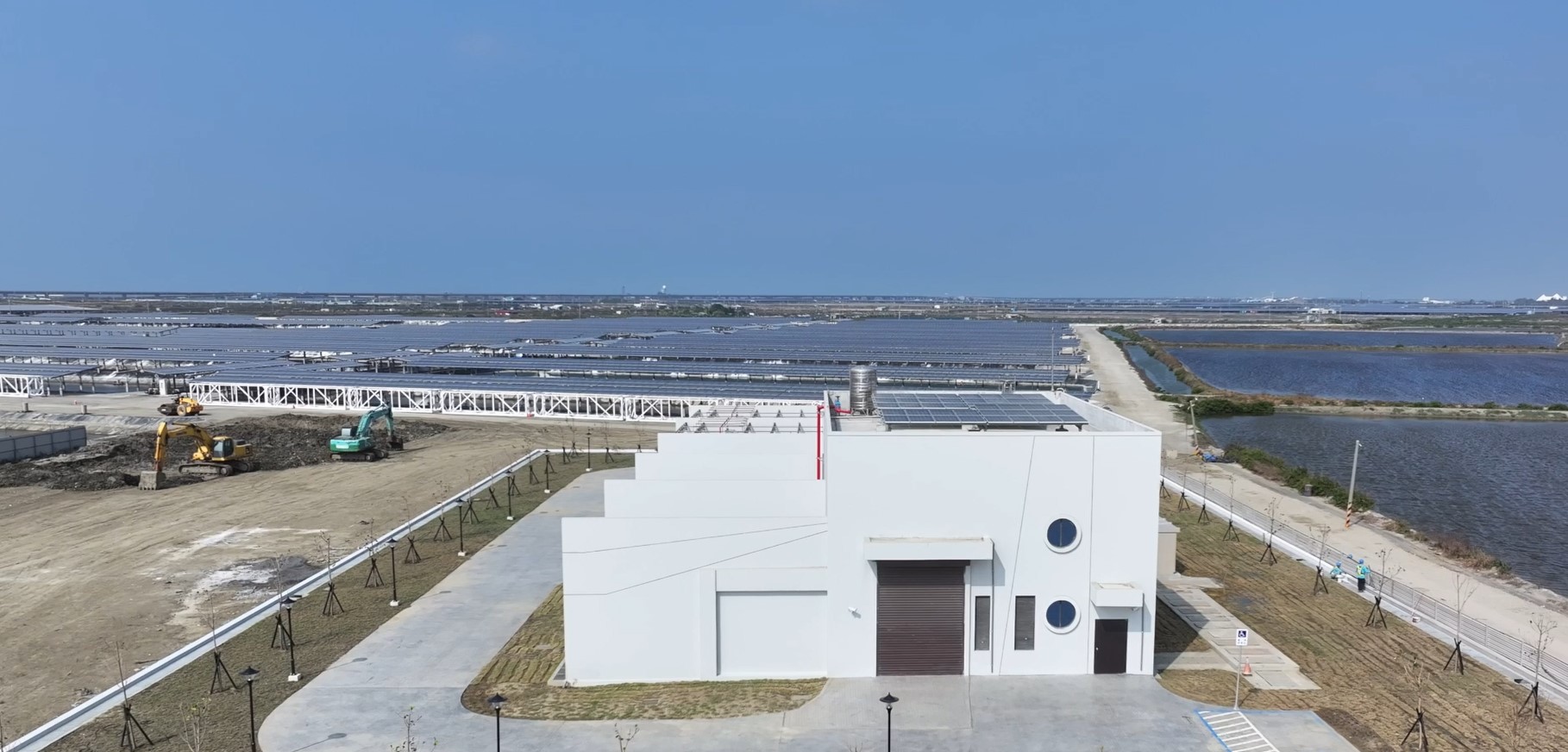
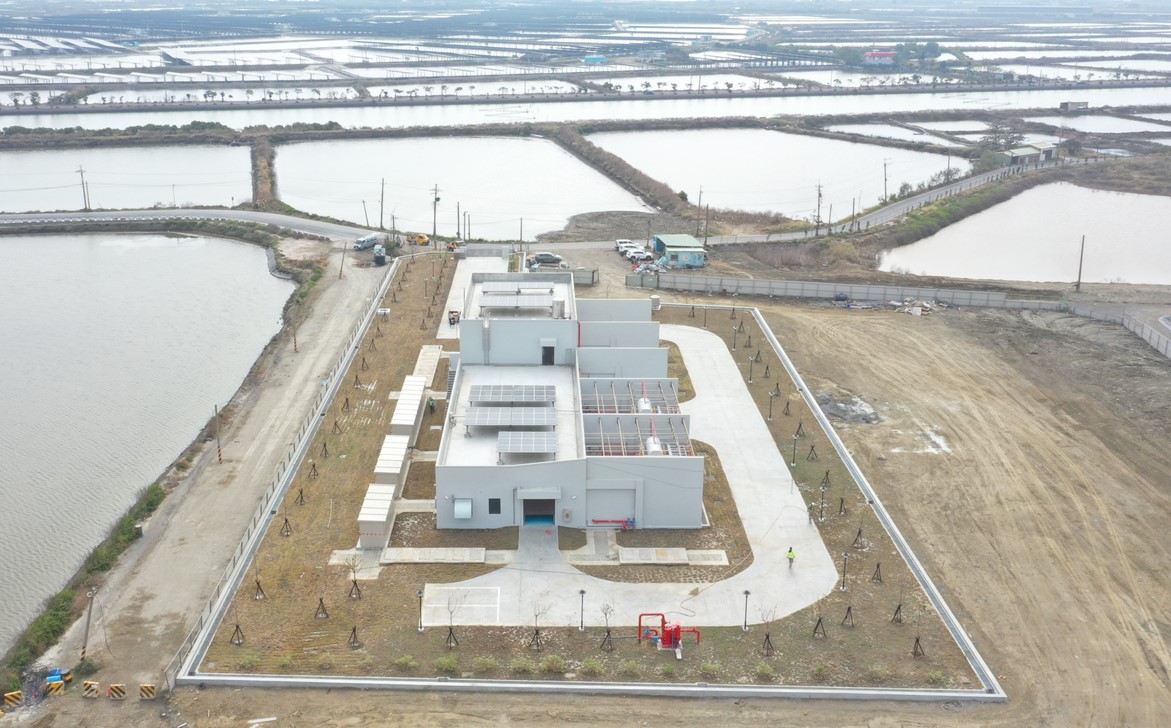
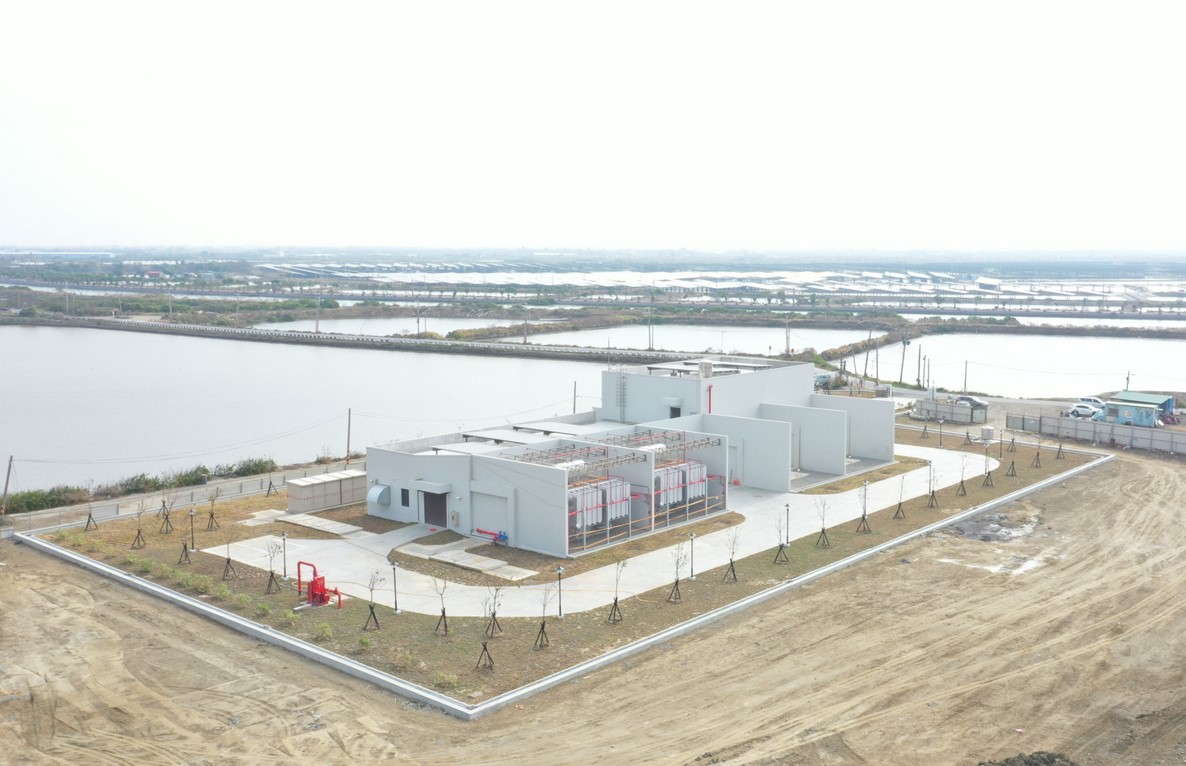
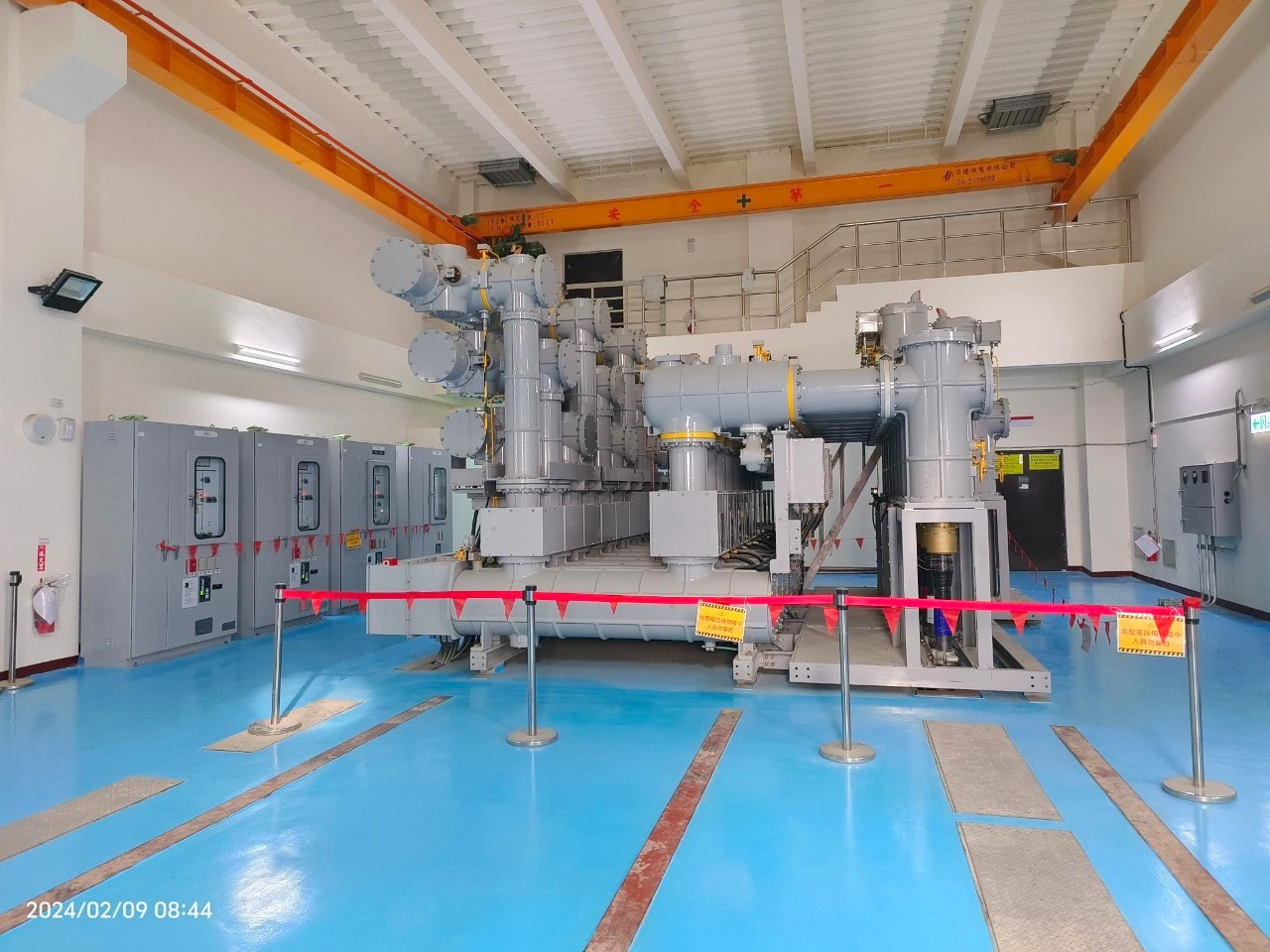
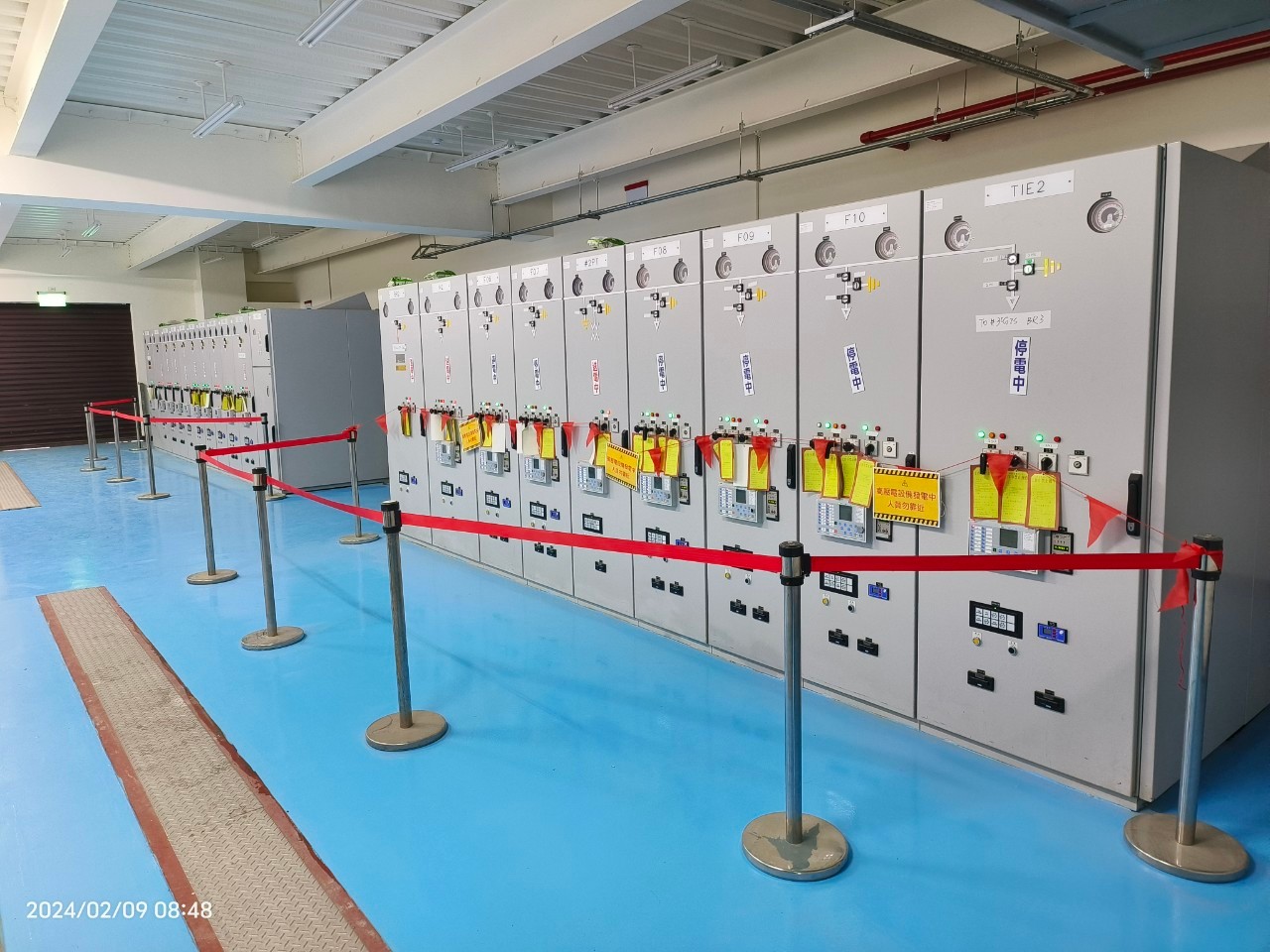
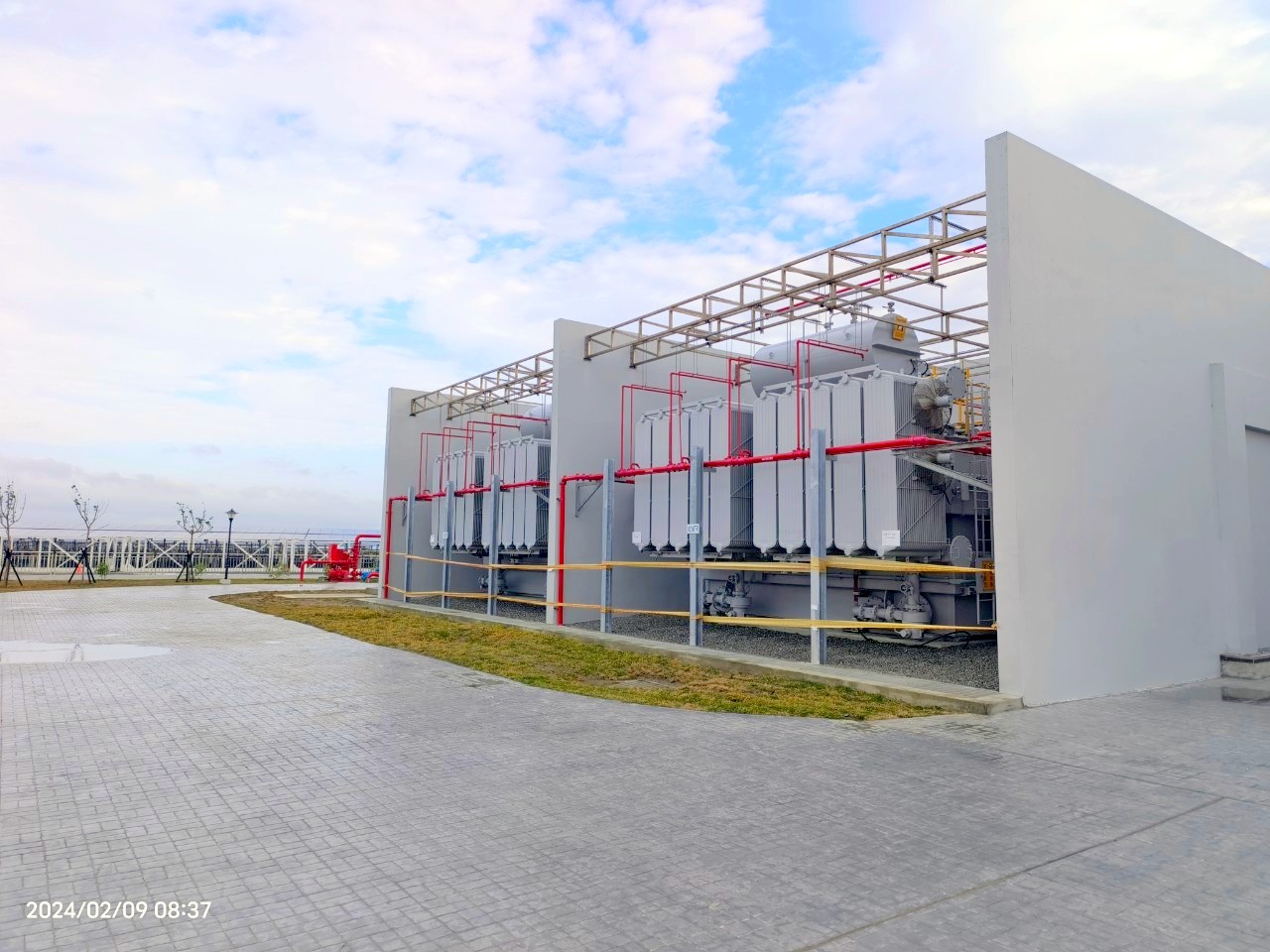
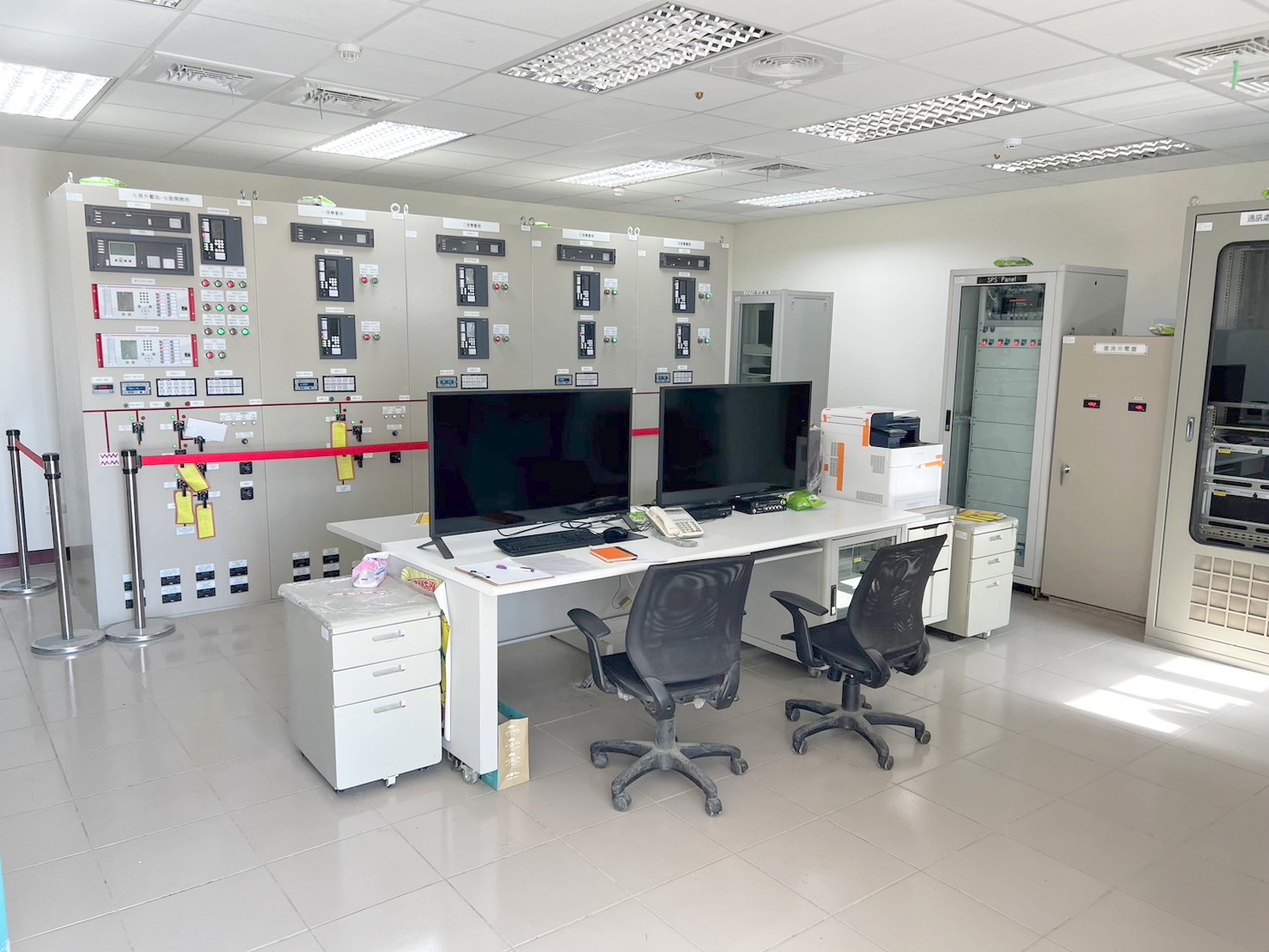
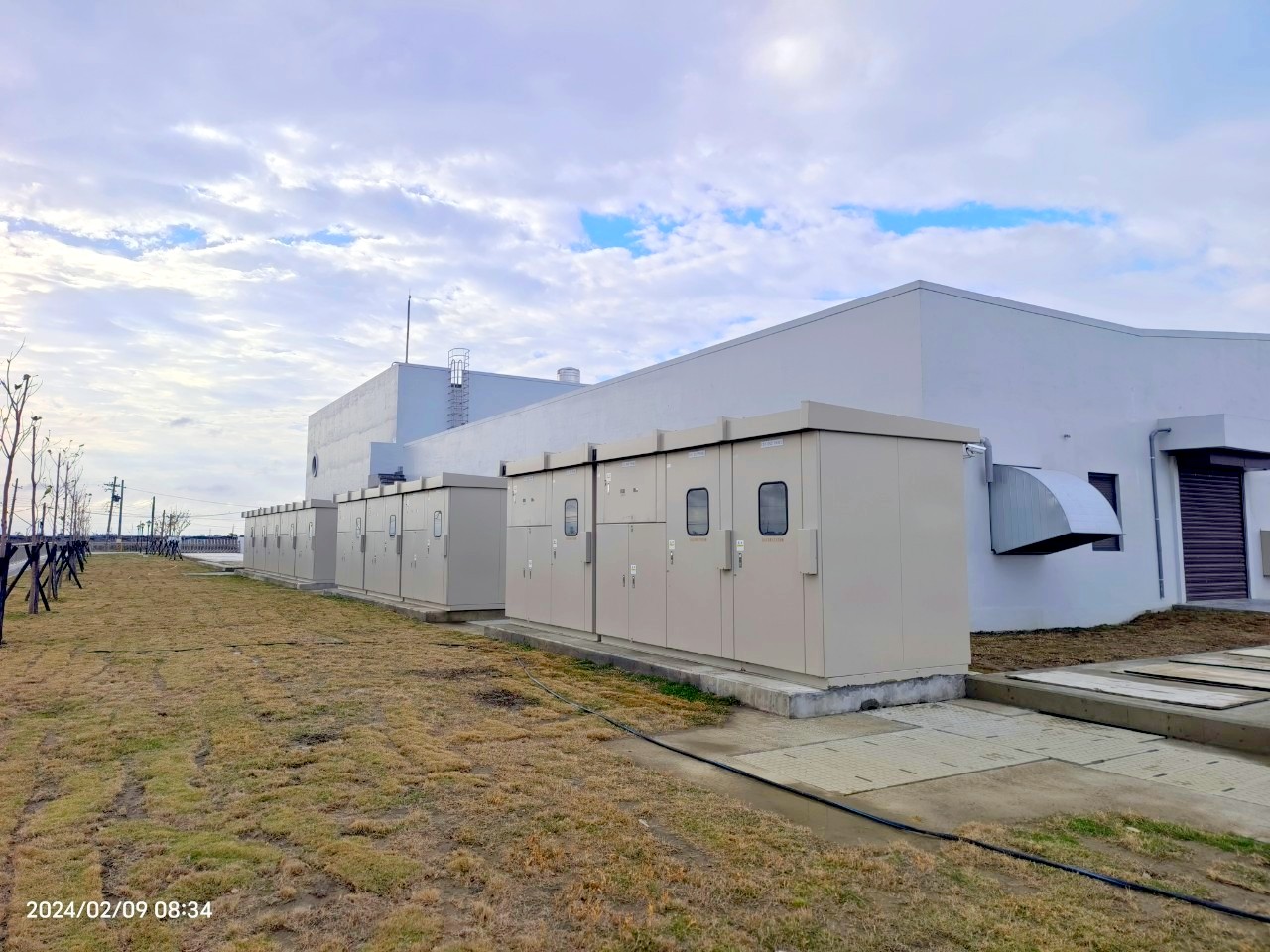
To address the issue of insufficient capacity in the transmission lines of the Cigu PV Hot Zone, the Executive Yuan instructed Star Energy Corporation (SEC), a subsidiary of Taiwan Cogeneration Corporation (TCC) with 100% investment, to invest in and construct a shared substation in the Cigu PV Hot Zone in Tainan. The initial phase involves constructing a shared substation with a capacity of 120MW, with potential for further expansion in phases based on the demand for grid connection in the hot zone, reaching a maximum combined capacity of 240MW. This project is estimated to take over 18 months for completion under normal circumstances. However, the Energy Administration under the Ministry of Economic Affairs set a deadline of 6 months after obtaining building permits to complete grid connection and system integration. Consequently, SEC planned the construction of the Cigu shared substation and approximately 8 kilometers of underground transmission lines into 5 simultaneous construction zones to meet the deadline. Challenges during construction include but are not limited to: the lack of space along the originally planned route on Provincial Highway 17 for pipeline installation, coordination with developers in the Cigu Science Industrial Park, local residents’ protests, compensation demands from aquaculture farmers, electromagnetic radiation concerns, coordination of public and private land use, and conflicts in pipeline construction.
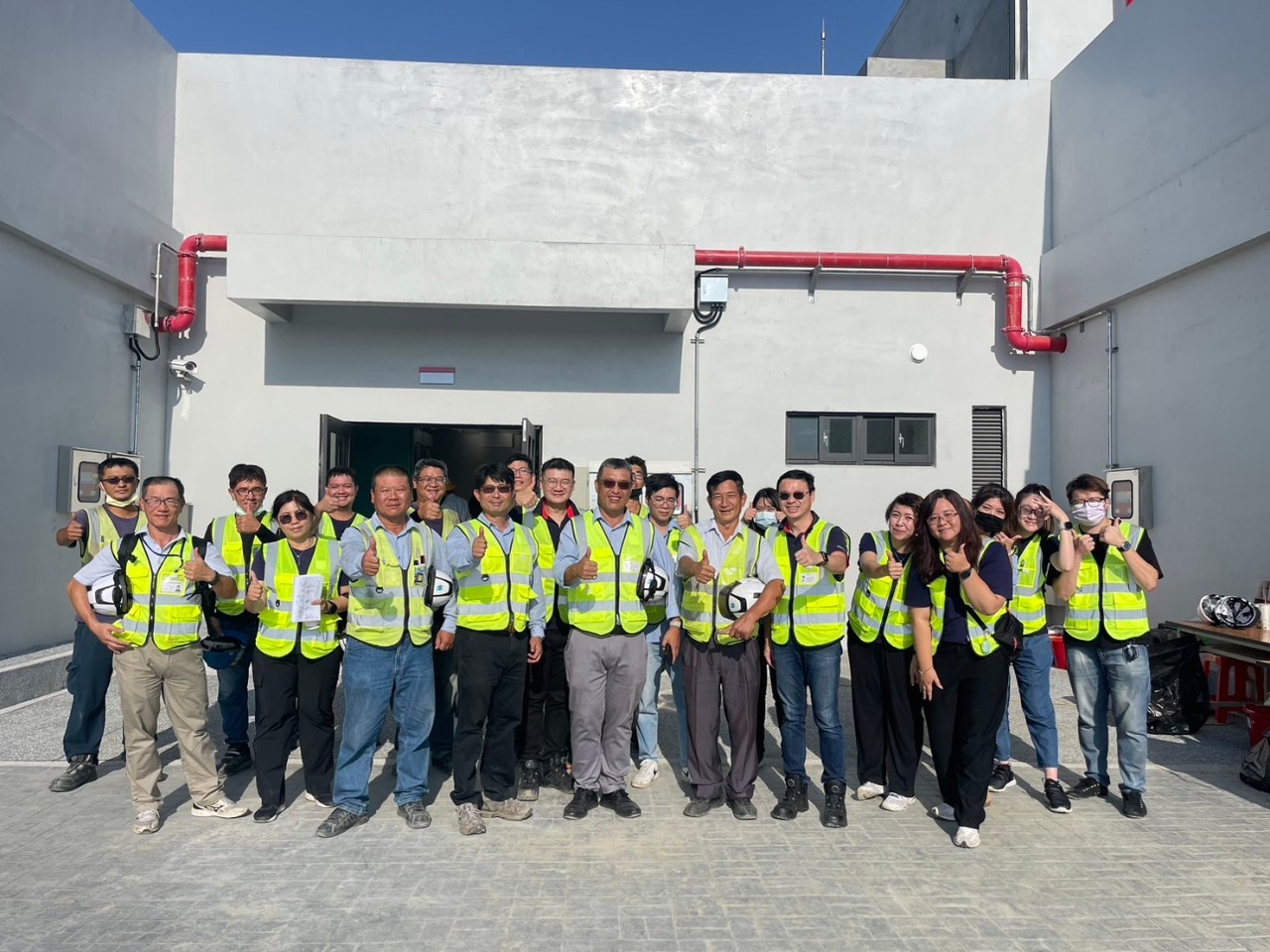
Fortunately, with the strong assistance from the Energy Administration, various departments of the Tainan City Government, Cigu District Office, as well as collaborative efforts from contractors and employees of SEC, each difficulty has been gradually overcome. Patience and sincerity were employed to address public concerns, facilitating the smooth progress of the project. The underground transmission lines of this project had to cross the approximately 200-meter-wide Cigu Creek, near its estuary. Besides being influenced by tides, the geological conditions beneath the riverbed are extremely weak, posing significant challenges to subterranean drilling. Nonetheless, through relentless efforts of the project team, which collected data on geology, tides, and water quality while analyzing the reasons for failures, adjusting construction techniques and machinery, and working day and night, the construction was finally completed within the grid connection deadline after four failed drilling attempts. The subsequent efforts of the team have also been commended by officials at various levels.
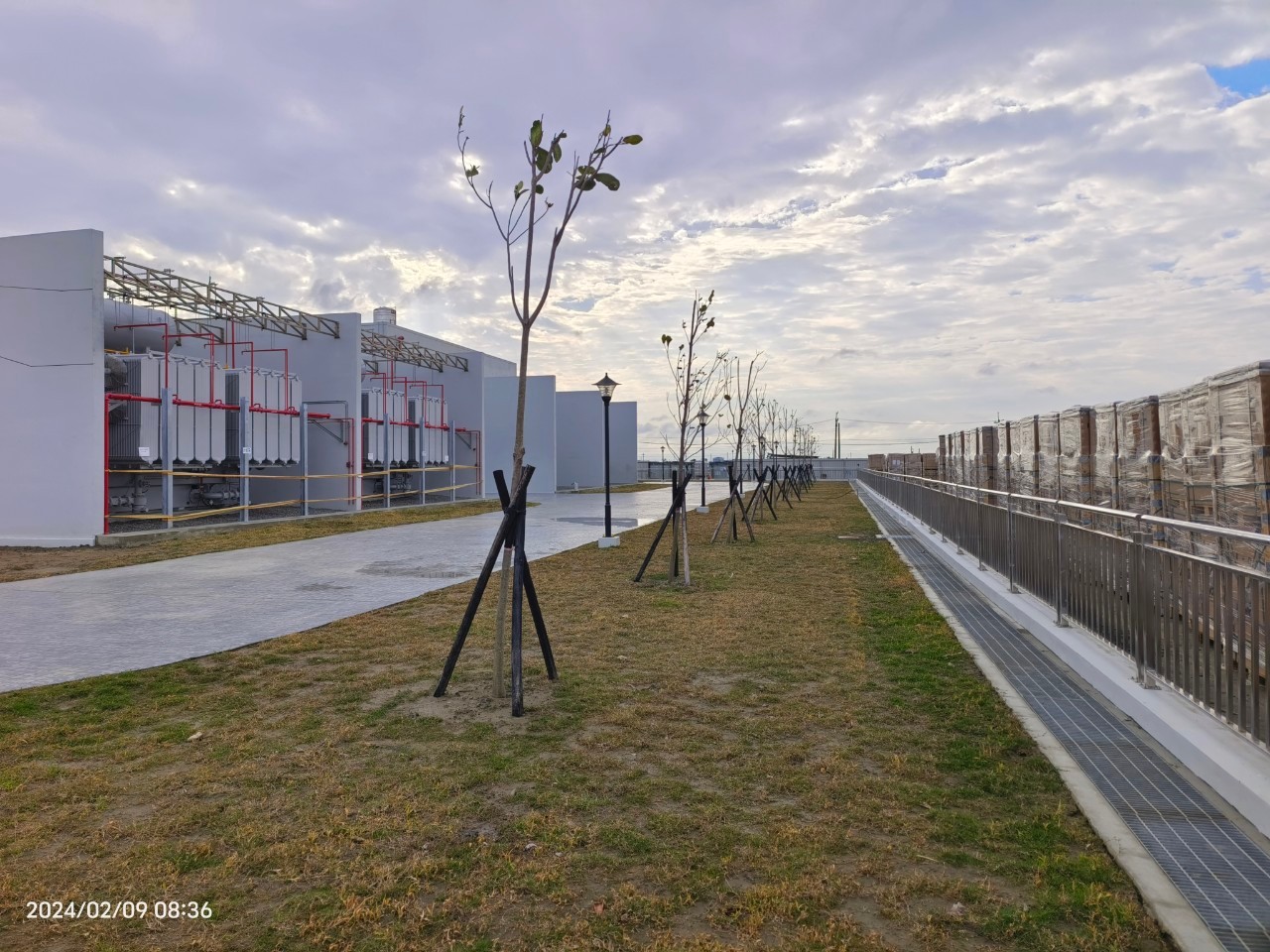
The Cigu shared substation is the first standardized and modularized station in Taiwan to be integrated into the grid operation. It represents a new operating model, with high initial costs. However, to encourage investment in shared substation construction by companies, the government has provided supportive measures, including calculating fees based on 70% of installed capacity until grid connection reaches 70%, significantly alleviating the heavy burden of construction interest and depreciation for builders. It is hoped that under the guidance of a sound and effective energy policy, the development of the green energy industry will be accelerated, gradually achieving the goal of net-zero carbon emissions by 2050. As a member of the national energy policy team, SEC's completion of the Cigu shared substation is not just a construction project but also a firm commitment to future sustainable development, marking another significant achievement for the company in the industry.